Understanding the Risks of Snake Bites
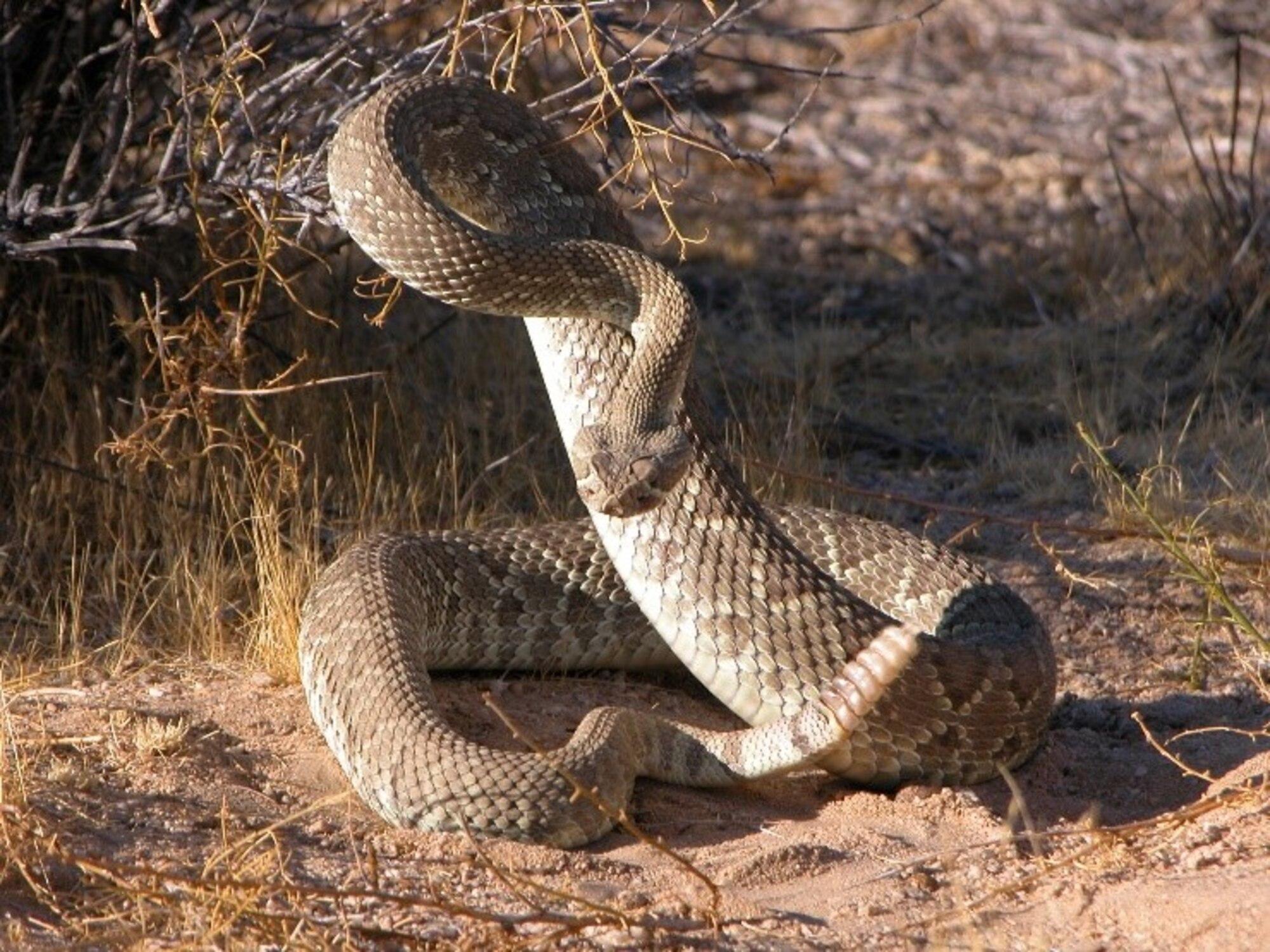
Serpents, while often misunderstood creatures, can pose a very real threat to individuals in the wrong circumstances. Identifying and reporting snake bites is integral to not only personal safety but also contributes to broader public health initiatives. In this context, we investigate how individuals can stay protected both at home and while traveling.
Steps for Immediate Response if Bitten
It is essential to know the immediate steps to take when bitten by a snake. The first course of action is to seek medical attention promptly to assess the potential danger. Identifying the snake can be invaluable for the medical professionals involved, so if possible, take note of the snake’s appearance from a safe distance.
Be Aware of the Local Serpent Fauna
Knowing the types of snakes native to your area or your travel destination is a valuable knowledge. This information can help with the quick identification of a snake, which is critical in the event of a bite. Educational resources provided by local wildlife authorities can be helpful in gaining this understanding.
Reporting Bites Contributes to Public Knowledge
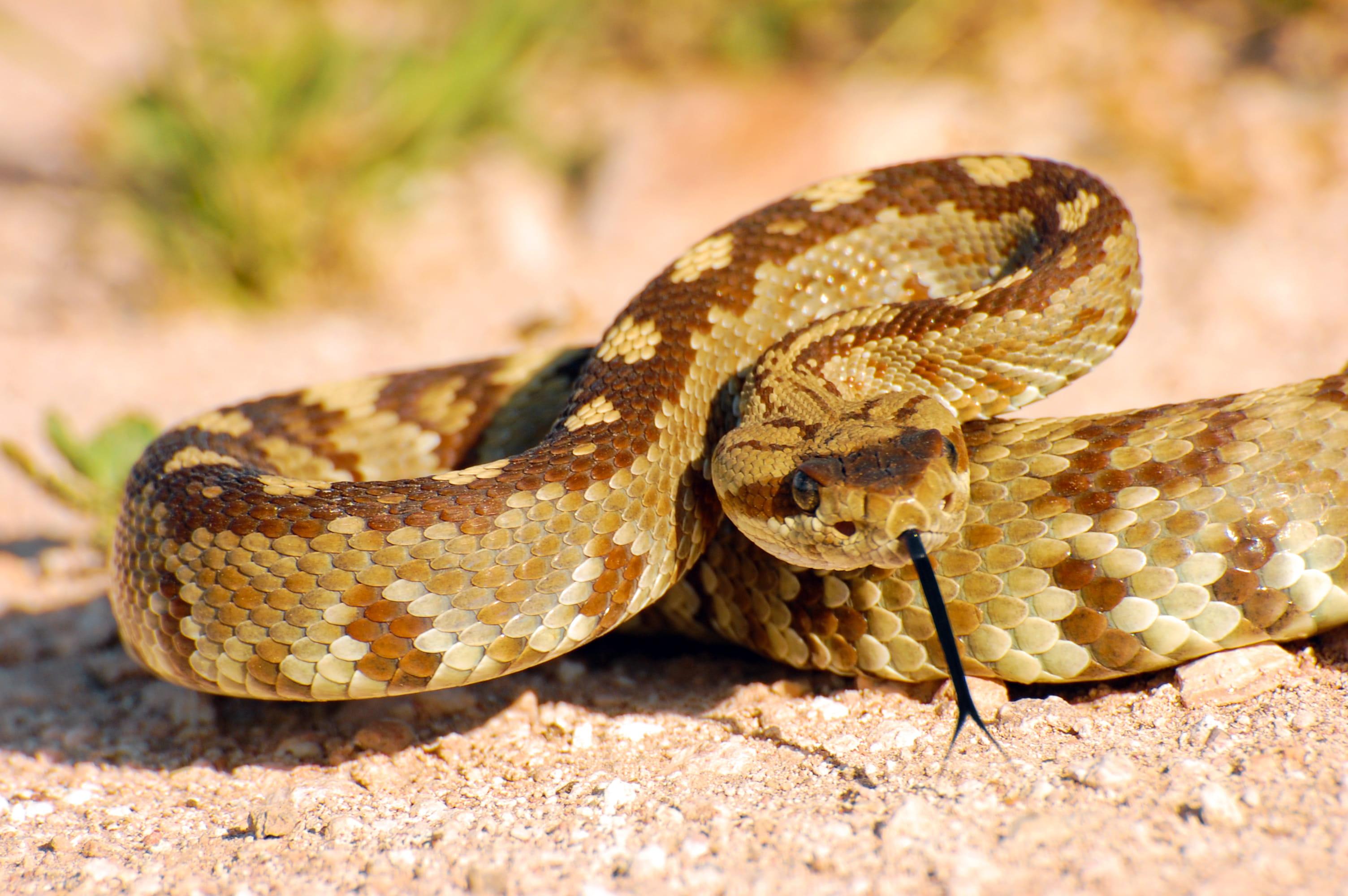
Beyond seeking medical help, reporting snake bites to the proper local authorities can help track snake activity and develop better public safety measures. Accurate data regarding snake encounters is crucial for research, and your report contributes to the safety of the community.
Preventative Measures for Travelers and Adventurers
When traveling, staying vigilant in natural settings and wearing protective clothing are key preventative measures. Additionally, tourists should respect local guidelines regarding wildlife and avoid places where snakes are commonly found.
Preparing for Your Journey
Before embarking on your travels, research the wildlife in your intended destinations. Packing a first-aid kit equipped for potential snake bites and learning basic emergency procedures is always advisable.
The Role of Local Communities in Snake Safety

Local communities often have specific wisdom and practices in dealing with the native snakes. Engaging with these communities can provide vital insight into staying safe, particularly for travelers who are unfamiliar with the region.
The Harmony of Travel and Safety
As travelers seek new experiences in far-off locations, an understanding of the local fauna, including snake species, becomes a part of the adventure. Staying in accommodations that prioritize guest safety and offer clear information about local wildlife are choices that can enhance the travel experience, allowing guests to explore with peace of mind.
Conclusion
Whether at home or traveling, staying informed about snakes and how to respond to bites is essential for safety. By taking the appropriate precautions and being prepared, adventurers can enjoy the wonders of the world with confidence, knowing they are equipped to handle an unexpected encounter with the local wildlife.